
Home / Waste Oil Recycling & Recovery
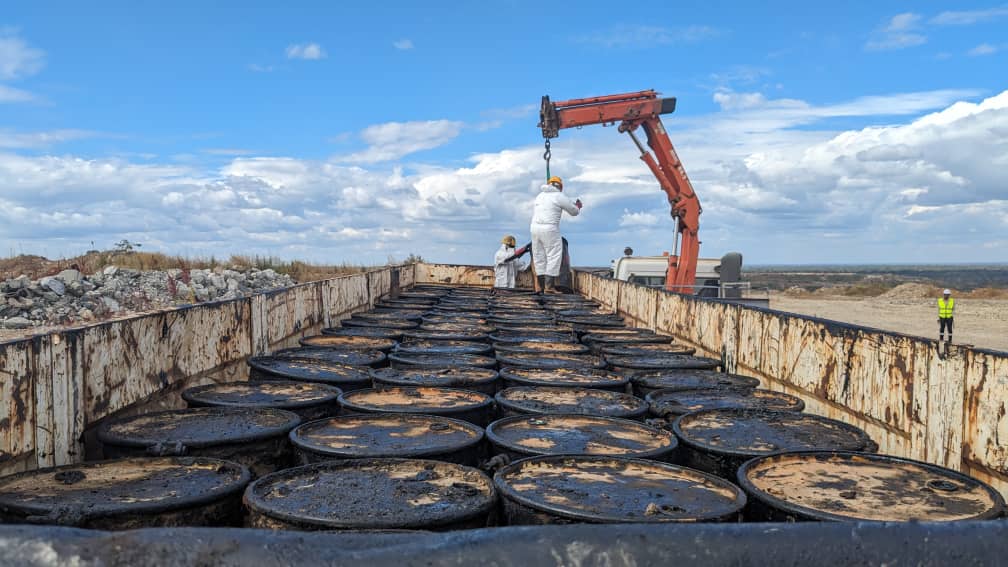
Billions of gallons of Used/Waste oil is generated every year in the world’s industrial economies.
Used / Waste Oil has been classified as “Hazardous Waste” for both humans and the natural environment. It cannot be drained or dumped as a landfill. When oil enters the soil or bodies of water, it harms plants, animals, and humans by contaminating groundwater and, as a result, destroying natural habitats and compromising the safety of drinking water.
The way oil spreads, even a small amount (10 litres) can completely cover one hectare of water surface.
Prolonged or frequent contact with used oil or oily waste can result in;
Waste management & handling rules specify Cradle to Grave responsibility to generators of waste oil. Used/Waste Oil should be stored and disposed of with great care. To avoid risk of spillage, companies dealing with oily waste should develop and implement an emergency pollution response plan so that immediate action can be undertaken in the event of a spill, e.g., keep a stock of absorbent materials such as sand on site and educate and train staff on how to make use of it.
Used/Waste Oil cannot be burned as a cheap fuel & Basel Convention prevents movement of waste oil across international borders.
Used oil can be derived from any one of the products as mentioned in the List 1 or can be a mixture of these products. Generally, these products will have a flash point (closed vessel) above 60.5°C.
List 1:
List 2:
*Note 1: Used oil does not include any of the products in List 2 or a mixture of products in Lists 1 and 2.
Many, of the products in List 2 will have a flash point (closed vessel) below 60.5°C. Regardless of flash point, List 2 products should not be mixed with List 1 products and then disposed of as used oil.
If used oil becomes contaminated with products from List 2, the resulting product will usually become unsuitable for collection by an authorized used oil collection company.
Mixing of List 1 and List 2 products is strongly discouraged as there is no guarantee that the resulting mixture would be suitable for used oil collection. If used oil becomes contaminated with List 2 products, used oil companies should consult their Local HSE Authority/Inspector for advice on how to manage the waste.
*Note 2: The only way to be sure used oil does not become contaminated with hazardous waste is to never mix it with anything else, and store used oil separately from all solvents, chemicals, and other incompatible products.
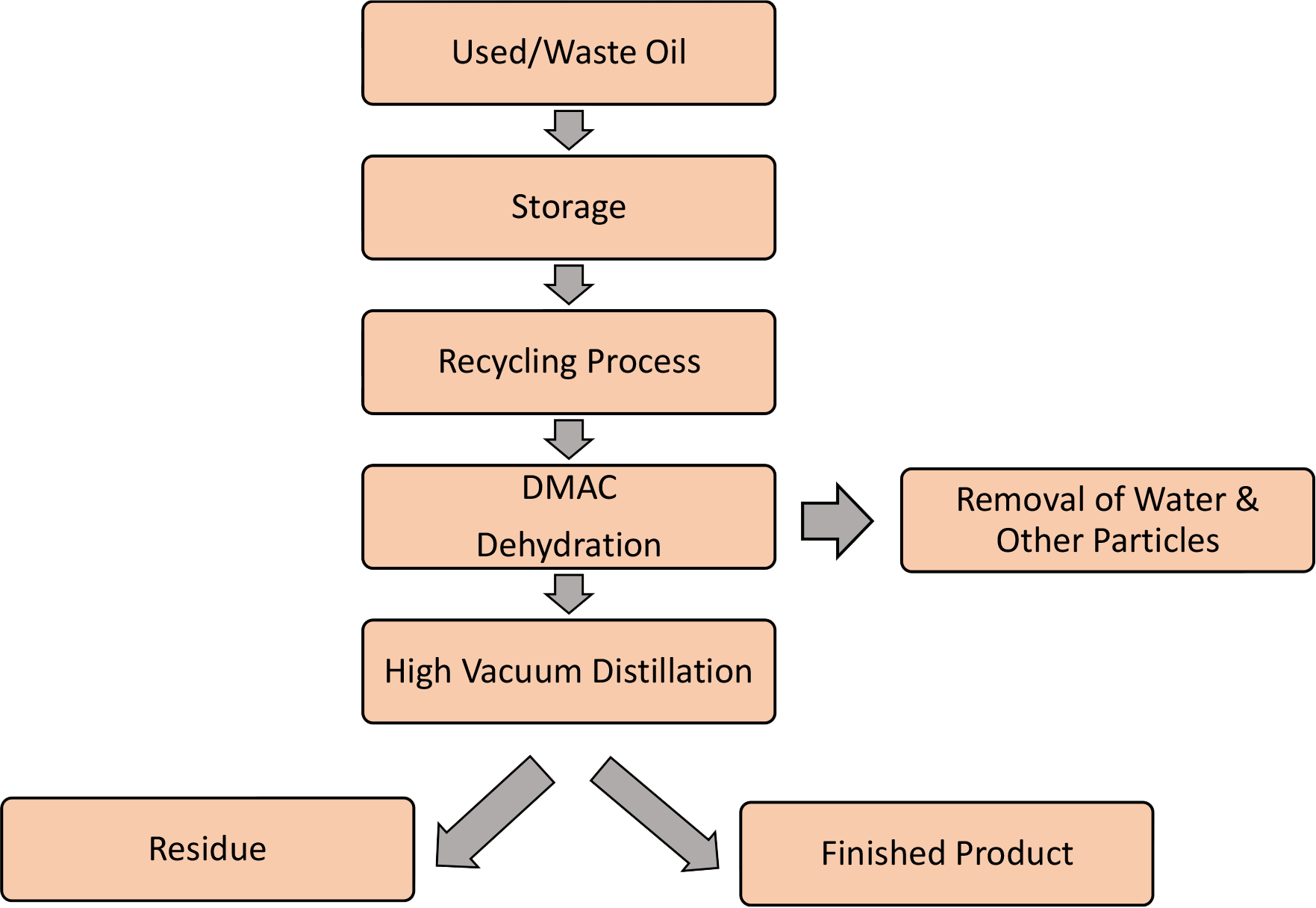
The Process:
Benefits of Recycling Used/Waste Oil:
524, Avenue Indutriel,
Commune Manika, Lualaba
- D.R. Congo.
Copyright 2025 © All Right Reserved Clean Congo SAS