
Home / Plastic Waste Recycling
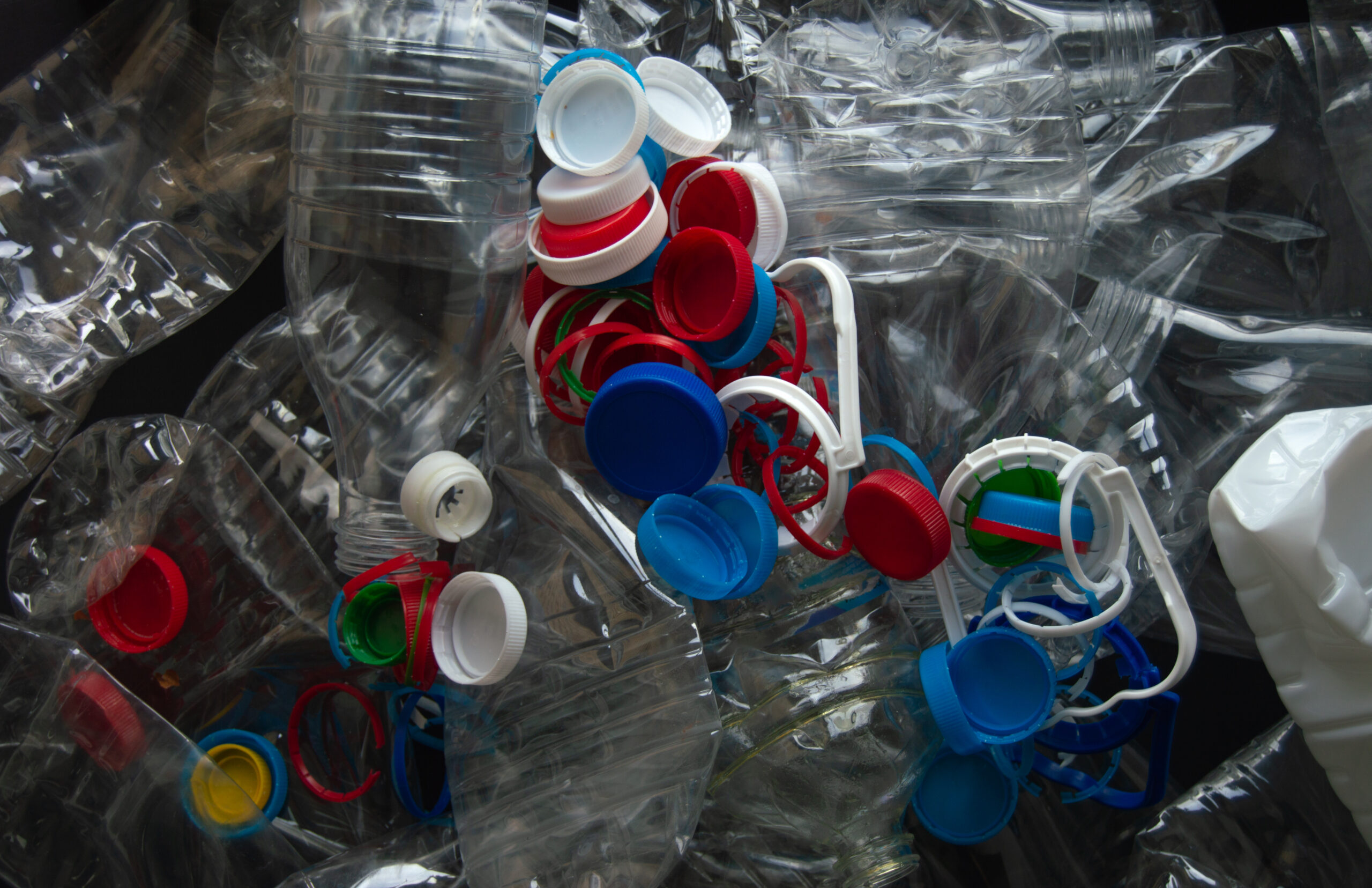
Plastic recycling is the method of gathering waste plastic and reconverting them to new and useful plastic products. The world produces and makes use of more than a trillion pounds of plastic material. Plastic recycling ensures that this massive amount of plastic does not go to waste. Instead, you can reprocess the materials to get other products.
Most of the plastic we come across in our daily life are recyclable. Some of the most common plastic types that we can recycle are PET, PVC, HDPE & LDPE.
Few of the plastics which cannot be recycled are PS & PP.
PET (Polyethylene Terephthalate): This material is thin and is perfect for producing low-pressure products. Clothing fibres, mineral water bottles, soft drink bottles are popular products made from PET.
PVC (Polyvinyl Chloride) is also one of the commonly used plastic materials around the world. PVC is used to produce wires, pipes, bottles, and clings films.
HDPE (High Density Polyethylene) is softer and more flexible compared to PVC. Examples of HDPE to produce are gallons and pipes.
LPDE (Low Density Polyethylene) is used to make plastic bags. Sometimes, it is not easy to recycle this material. Instead of recycling, you can clean and reuse them for other purposes.
PS is a polymer. Examples of products that come from this plastic include plastic cutlery and food containers.
PP is also a polymer. Manufacturers frequently use it to make plastic boxes, plastic furniture, and plastic jar lids. In most cases, recycling companies will reject it for recycling.
Irrespective of the type of plastic and its usage, it usually undergoes some general steps during recycling. Here are six essential steps to recycle plastic materials:
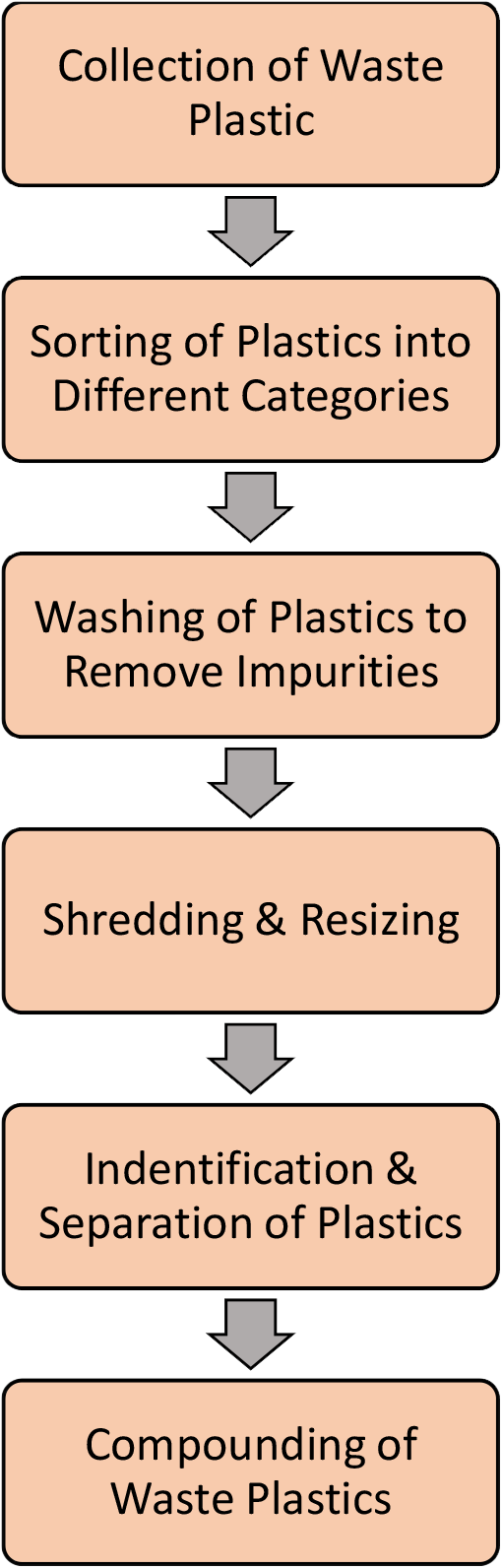
There are two methods of recycling plastic.
Mechanical Recycling:
This method is suitable for recycling thermoplastic materials. The method involves melting plastics and processing them into new plastic products. After recyclers melt the plastic, they make them into new products through a process called injection moulding.
Advanced Recycling:
Advanced recycling is a process through which the effect of chemicals breaks down plastic material. This method consists of three other techniques. These techniques include pyrolysis, chemical recycling, and gasification.
Pyrolysis is a technique that involves recycling plastic waste into crude oil. Chemical recycling entails reducing a polymer into a monomer that can create new products. For example, manufacturers apply chemical recycling to make nylons. On the other hand, gasification converts plastic to gas which is used to create energy.
Value Proposition of Plastic Recycling:
524, Avenue Indutriel,
Commune Manika, Lualaba
- D.R. Congo.
Copyright 2025 © All Right Reserved Clean Congo SAS